
How to Fit Triathlon Training Around a Busy Life
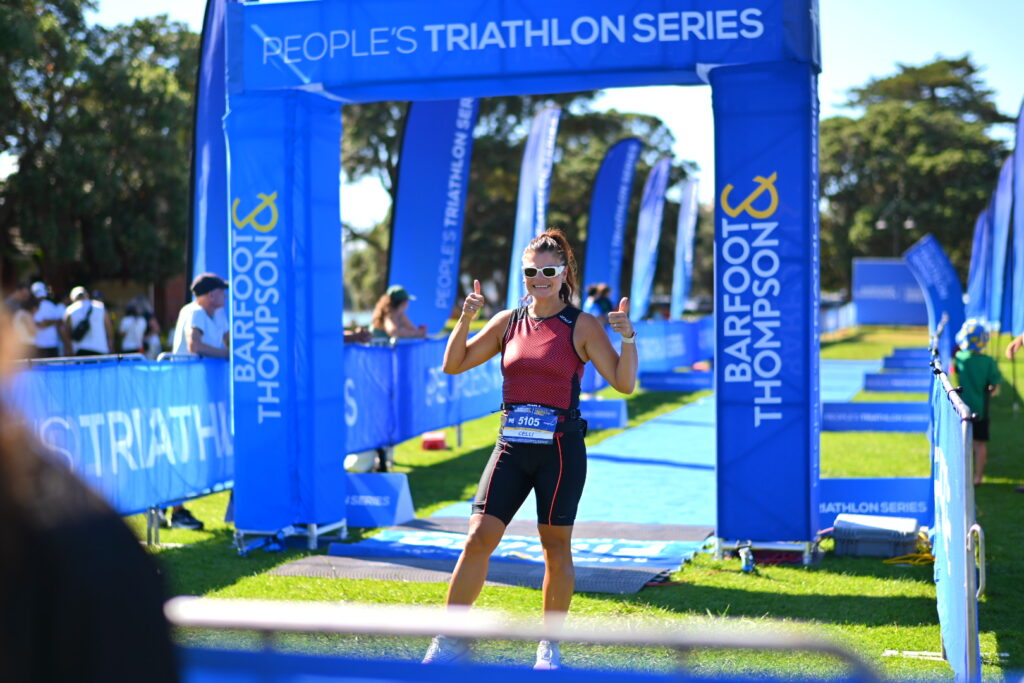
Work. Kids. Dinner. The washing that appears to reproduce overnight. Fitting three sports into the week can feel ambitious before you’ve even found your goggles.
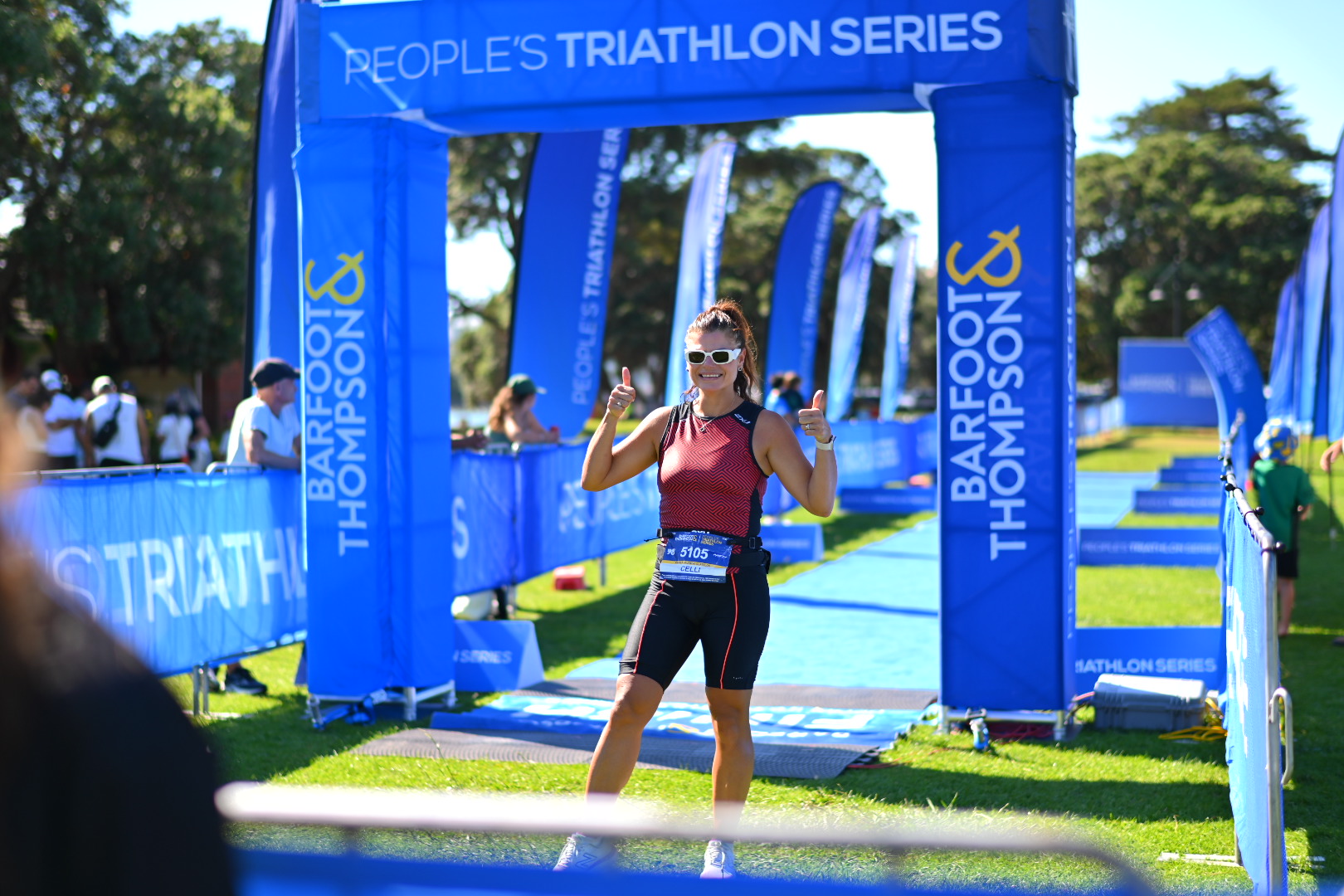
Start with the time you can realistically protect, spread swimming, cycling and running across the week, and leave room to recover. A routine you can repeat is a useful place to start.
You can make triathlon training part of a busy life, but the plan needs to reflect the life you actually have. If Tuesday night is permanently booked and weekends belong to the kids’ sport, those things belong in the plan too.
For a first Sprint triathlon, the aim is to build confidence and fitness across all three disciplines. How much training you need depends on where you’re starting, your chosen distance and how long you have to prepare.
Start with your calendar
Before choosing workouts, write down the windows you can usually use. Include the unglamorous bits: driving to the pool, changing, showering and getting home. A 30-minute swim can easily need a longer space in the diary.
Then agree those windows with the people they affect. “I’ll be home by nine” is considerably more useful than “just heading out for a quick ride”.
Pick a race distance that fits the preparation you can manage. Our Try-a-Tri, Sprint and Olympic distance guide is a good starting point if you’re still deciding.
What could a busy training week look like?
Here’s one way to arrange two swims, two rides and two runs across five training days. Set the length and difficulty of each session to suit your current fitness and training plan; build towards this routine if you’re starting with less.
| Day | A possible slot |
|---|---|
| Monday | Rest. Leave the evening free. |
| Tuesday | Swim before work, or at a reliable lunchtime lane session. |
| Wednesday | An easy run in a window you can regularly protect. |
| Thursday | A bike session. An indoor trainer can be convenient if you already have one. |
| Friday | Rest and sort the weekend’s gear. |
| Saturday | A second swim, with attention to technique. |
| Sunday | A ride, followed by a short, easy run if you’re ready for a combined session. |
You can move the days. If the pool only fits on Wednesday, start there. The useful part is seeing the whole week before it fills itself up.
Have a shorter version ready
Some days the meeting runs late, the school rings or the forecast turns. Decide in advance what the shorter version looks like: an easy run close to home, a shorter familiar ride or a focused pool session.
Keep a warm-up and a sensible finish to the session. Don’t turn every squeezed workout into a flat-out effort to “make it count”.
Make starting easier, too. Pack the swim bag at night. Keep your usual kit together. Know which pool session you’re heading to. These small decisions are much easier before the alarm goes off.
Combine sessions when it makes sense
A bike ride followed by a short run is called a brick session. It lets you practise changing disciplines and learn what running off the bike feels like, while using one training window.
If you already manage the ride comfortably, five to ten minutes of easy running afterwards can be a small introduction. Keep it within your existing training load. The point is getting familiar with the change, not finishing on the footpath wondering what just happened.
USA Triathlon’s brick training guidance explains how these sessions help with race-day pacing. Our first Sprint pacing guide puts that practice into a race plan.
Give recovery a proper place
Recovery belongs in the diary alongside training. If work stress, poor sleep or fatigue is piling up, adjust the session or take a rest day. USA Triathlon’s recovery advice supports adapting training to how you’re coping with the rest of life.
Missed Wednesday? Continue with a sensible version of the week. Trying to squeeze every missed session into the weekend can turn a small disruption into a very tiring one.
If the routine keeps falling apart, reduce what you’ve scheduled and rebuild from there. A coach can help decide which sessions matter most for your starting point and goal.
Keep the swim in the plan
It’s tempting to keep the sessions you enjoy and quietly lose the awkward one. If swimming is your least comfortable discipline, protect time for it and get help with technique.
People’s Tri races include an open-water swim. Build experience in suitable conditions with a supervised group or appropriate support; don’t make race morning your first sea swim. Review our safety information as part of your preparation.
Make the next step small
Look at next week. Choose your first training windows, pack what you need and tell the people who need to know. You can refine the routine once you’ve tried living with it.
When race day gets closer, sort your breakfast plan and work through the race-day packing checklist. A few decisions made early leave you less to think about on the morning.
Find your next start line at People’s Tri in Mission Bay or Maraetai Beach.
THE PEOPLE BEHIND PEOPLE’S TRI
Good people.
Great race days.
You bring the effort. Our partners help bring race day to life.

Barfoot & Thompson
Proudly backing your start line.
 Blue70
 NICH Cycling
 Teamline
 goodr
 Ultimate Direction
 Precision Fuel & Hydration
 broderick
 Performance Bicycle Tuning
 Auckland Council
 Photos4sale