
How to Pace Your First Sprint Triathlon
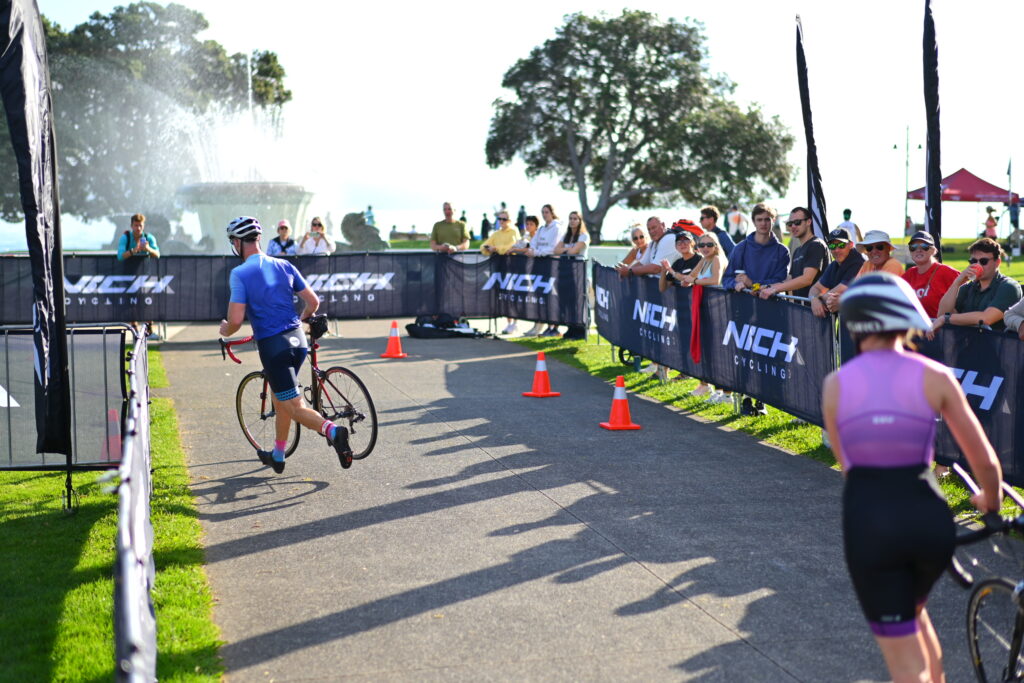
The start goes. Someone flies past. Suddenly the sensible plan you had over breakfast has been replaced by “right, I’m going with them”.
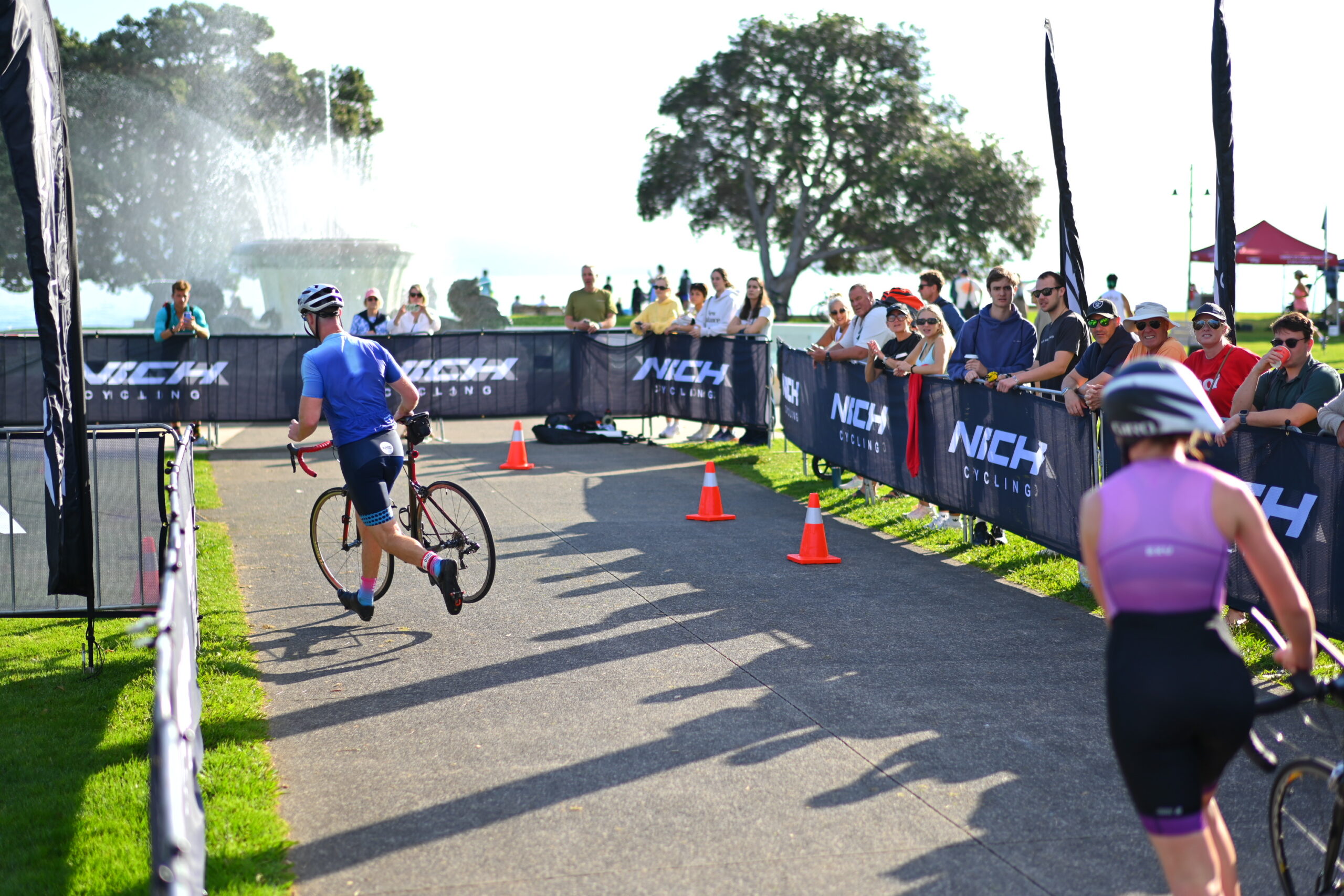
For your first Sprint triathlon, start the swim under control, ride at an effort that leaves you able to run, and settle into the run before building your pace. Use the effort you know from training and adjust for the conditions.
Stop racing everyone in the first five minutes.
That’s the useful starting point for pacing your first Sprint triathlon. You’re putting three sports together, with two transitions in between. The opening burst should leave you able to handle what comes next.
“Sprint” describes the distance category. For a first-timer aiming to finish well, it doesn’t mean going flat out from the first stroke.
Make a plan you can remember
Before race day, give each leg a simple job. Keep it specific enough to use when you’re excited, a bit nervous and surrounded by other athletes.
| Part of the race | Your cue |
|---|---|
| Swim | Find your breathing rhythm and keep your stroke controlled. |
| Bike | Ride steadily at an effort you’ve practised. Keep something for the run. |
| Run | Give your legs time to settle, then reassess before picking up the pace. |
| Transitions | Move calmly through the steps you’ve rehearsed. |
Your training is the reference. There’s no single speed, heart rate or finish time that is right for every first-timer.
Swim: get settled before getting ambitious
Start where the briefing directs you. If you’re less confident, ask the crew where you can position yourself within your allocated start to avoid the busiest part of the group.
Use a familiar, sustainable effort as you begin. Concentrate on breathing, sighting and following the course. The person beside you might be a far more experienced swimmer; their opening speed tells you very little about yours.
USA Triathlon’s early-season race guidance emphasises a relaxed swim rhythm and expectations that match your preparation.
If you need help, signal the water-safety team. Our safety information explains what to do, and you should listen to the race briefing for the instructions on the day.
Bike: ride the effort you can sustain
Once you’re safely out of transition and past the mount line, take a little time to settle. Find a comfortable gear and get organised before increasing the effort.
A useful question is: could I get off this bike and begin my planned run? If the honest answer is “absolutely not”, ease back.
Avoid chasing every rider who passes. On an exposed section, the wind can change your speed without changing your effort. Trying to hold the same number on the bike computer regardless of conditions can pull you away from the plan you practised.
Ride predictably, allow space and follow the event’s passing and drafting instructions. Safe cornering and awareness come before a target speed.
Run: give your legs a minute
The first stretch off the bike can feel awkward. Start with a controlled pace and relaxed, shorter steps while you find your rhythm.
Don’t demand your fresh-legs 5km pace immediately. You’ve already completed the swim and bike, so judge the effort you’re feeling now.
Once you’ve settled, check in: is your breathing manageable, are your legs responding, and does this feel sustainable for the distance left? If things are going well, you can gradually lift the effort later in the run.
Walking briefly to regain control is an option. Pick a steady rhythm you can maintain rather than repeatedly sprinting and stopping.
Transition: know the order
It’s easy to rush because everybody around you looks busy. Before the start, find your rack and walk the permitted routes so you know which way to go.
Rehearse the basics: helmet fastened before taking your bike, walk it through transition, mount beyond the line, and dismount where instructed on the return. Check the current event rules and briefing.
Our step-by-step transition guide covers both changes. Knowing what comes next is much more useful than trying an unfamiliar flying mount.
Practise your bike-to-run effort
A short run after a familiar ride lets you test how the two legs fit together. This is a brick session. Start small within your current training, and notice whether the bike effort leaves you able to run in control.
USA Triathlon’s brick training guidance highlights these sessions as a way to learn your pace off the bike.
That experience is useful evidence for race day. If an effort repeatedly leaves you struggling to run in training, plan a more measured bike leg.
Know what’s still ahead
Open the interactive course map, choose your event and distance, and check the swim route, bike laps and run turnaround points. Mission Bay and Maraetai Beach have their own layouts, so use the information for the race you’ve entered.
Review the latest race information and attend the briefing; instructions on the day take priority. Counting the right laps is part of pacing too.
Finish with something to smile about
For this first one, choose a few things you can control: a settled swim, a measured bike and a run you can keep moving through. You’ll learn far more about your next race by noticing how each leg felt than by chasing a stranger’s pace.
Get your breakfast plan sorted, give yourself time to arrive, and keep those three cues in mind. Settle. Ride steadily. Build the run when you’re ready.
Find your next start line at People’s Tri in Mission Bay or Maraetai Beach.
THE PEOPLE BEHIND PEOPLE’S TRI
Good people.
Great race days.
You bring the effort. Our partners help bring race day to life.

Barfoot & Thompson
Proudly backing your start line.
 Blue70
 NICH Cycling
 Teamline
 goodr
 Ultimate Direction
 Precision Fuel & Hydration
 broderick
 Performance Bicycle Tuning
 Auckland Council
 Photos4sale